Table of Contents
Introduction
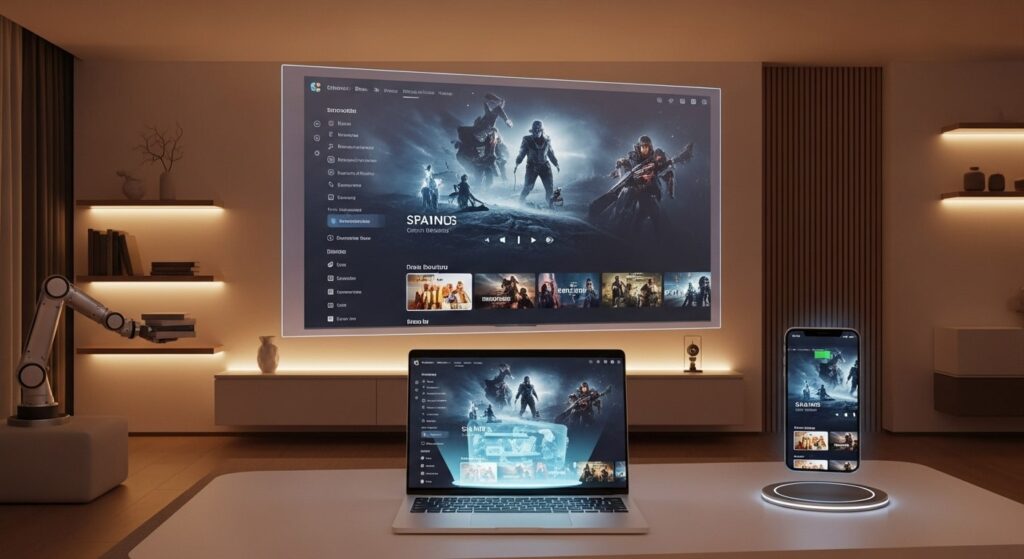
IPTV Multi Device streaming is revolutionizing how we consume media in 2025. With this technology, users can enjoy their favorite content across various platforms, including smart TVs, tablets, and smartphones. The ability to access IPTV Multi Device services empowers viewers with flexibility and convenience. Moreover, it enhances the viewing experience by allowing seamless transitions between devices. As the demand for multi-device compatibility continues to grow, understanding how IPTV Multi Device works becomes essential. For more insights, visit our homepage.
🎯 Key Takeaways
- IPTV Multi Device technology allows streaming across multiple platforms seamlessly.
- In 2025, user-friendly interfaces enhance accessibility and navigation.
- Viewers can personalize their viewing experiences with varied content choices.
- Flexibility in device compatibility is a significant trend in the IPTV landscape.
What is IPTV Multi Device?
IPTV Multi Device refers to the capability of Internet Protocol Television (IPTV) services to function across multiple devices. In 2025, this technology encompasses a variety of platforms, such as smart TVs, smartphones, tablets, and computers. This versatility allows users to watch live TV shows, on-demand content, and even record shows on various devices. For instance, a user can start watching a show on a smart TV and continue it on their mobile device while commuting. According to Wikipedia’s IPTV article, this technology is fundamentally changing the way we consume media, making it more accessible and personalized.
Benefits of IPTV Multi Device
Enhanced Flexibility and Convenience
One of the primary benefits of IPTV Multi Device is the enhanced flexibility it offers users. They can watch their favorite programs anytime, anywhere, without being tied to a specific device. This feature is particularly valuable for busy individuals who juggle various commitments.
Cost-Effective Streaming Solutions
IPTV Multi Device services often present cost-effective solutions compared to traditional cable packages. For example, services like Hulu Live and YouTube TV offer extensive channel lineups at lower prices. You can learn more about affordable streaming options on our website.
Personalized Viewing Experience
With IPTV Multi Device, users can tailor their viewing experiences. In 2025, many services utilize algorithms to recommend content based on viewing habits, ensuring that users discover new shows and movies that align with their interests.
Seamless Content Transition
IPTV Multi Device enables seamless transitions between devices. For instance, users can pause a movie on their smart TV and resume it on their tablet. This feature enhances the overall experience and caters to the on-the-go lifestyle of modern viewers.
Access to Global Content
Another significant advantage of IPTV Multi Device is access to a broader range of content. Users can stream international channels and shows that may not be available in their region, expanding their viewing options considerably.
Comparison of IPTV Multi Device Options
Here’s a look at some leading IPTV Multi Device services available in 2025, comparing their features and pricing.
How It Works: IPTV Multi Device
Understanding how IPTV Multi Device works is crucial for users looking to maximize their viewing experiences. Here’s a simple guide to get started.
- Choose a Service: Select an IPTV Multi Device service that meets your needs, such as YouTube TV or Hulu.
- Create an Account: Sign up on the service’s website and set up your profile.
- Download the App: Install the service’s app on all your devices, including smart TVs and smartphones.
- Log In: Access your account on each device using your credentials.
- Start Watching: Browse the content library and start streaming your favorite shows. Check our detailed guide for more tips.
Pros & Cons of IPTV Multi Device
✅ Pros
- Convenient access from multiple devices.
- Cost-effective compared to traditional cable.
- Personalized content recommendations.
- Seamless transitions between devices.
- Global content access.
❌ Cons
- Dependence on internet speed and stability.
- Potential regional content restrictions.
- Monthly subscription fees can add up.
Frequently Asked Questions – IPTV Multi Device
What are the main advantages of using IPTV Multi Device?
IPTV Multi Device offers flexibility, allowing users to stream content on various devices without restrictions. This feature enhances the convenience and accessibility of media consumption.
How has IPTV Multi Device evolved in 2025?
In 2025, IPTV Multi Device has become more user-friendly and integrated with smart technology, offering advanced features like voice control and personalized recommendations.
Can I use IPTV Multi Device on multiple devices simultaneously?
Yes, most IPTV Multi Device services allow multiple simultaneous streams, enabling different family members to watch their preferred shows at the same time.
What devices support IPTV Multi Device?
IPTV Multi Device is compatible with various devices, including smart TVs, tablets, smartphones, and computers, making it adaptable to varying user preferences.
What are the benefits of IPTV Multi Device in 2025?
The benefits of IPTV Multi Device in 2025 include enhanced flexibility, cost savings, personalized content, and seamless transitions between devices, all contributing to a superior viewing experience.
Conclusion
In conclusion, IPTV Multi Device technology is reshaping the media landscape in 2025, offering users unprecedented flexibility and convenience. By allowing access to content across multiple devices, viewers can enjoy a seamless streaming experience. As IPTV Multi Device continues to evolve, it will undoubtedly enhance how we engage with our favorite shows and channels. Consider exploring the options available to you today by visiting our contact page for more information.
Discover the Future of IPTV Multi Device Streaming
Join the IPTV revolution and enjoy seamless streaming across all your devices today! Visit our homepage for more information or check our pricing plans.
Leave a Reply